China's Spring Festival Travel Rush Kicks Off Amid Extended Lunar New Year Holiday
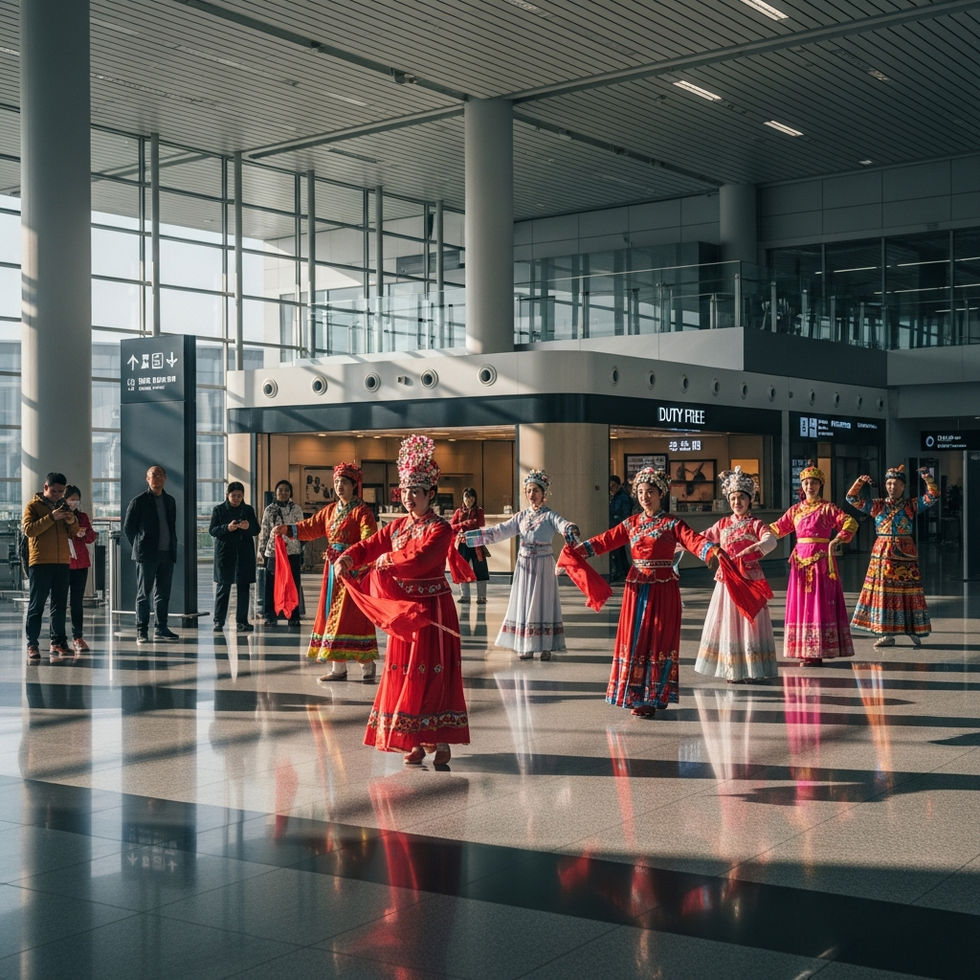
Traditional Spring Festival Travel Amidst Modern Challenges
Families gather during Spring Festival - also known as Lunar New Year - for what feels like a fresh start. Year after year, massive flows of citizens travel home by train, bus, or foot toward ancestral roots. That wave of movement paints a picture of China shifting across the season. By 2026, timing lines up with a weeklong vacation stretching into late February, pushing journeys further than before. Even with long roots in travel during this era, recent months brought heavy financial stress - a slow real estate cycle mixed with worries over jobs - that quietly lowered how sure people are about spending. Still, officials hold on to hope, aiming for more travelers than before, planning nearly ten billion during holiday weeks alone, aiming above what happened just twelve months ago. What unfolds shows China's deep customs alive alongside shifting money matters, guiding daily choices by vast numbers when organizing trips across year-end days.
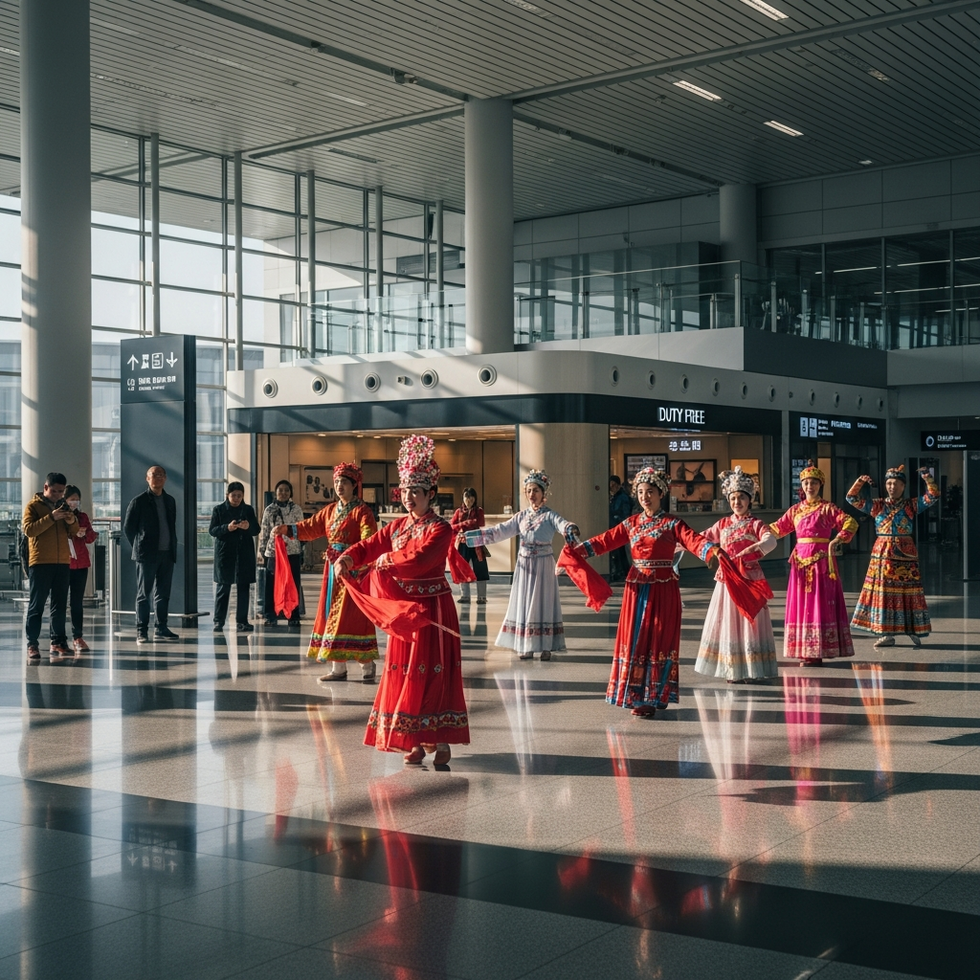
Shift in Travel Patterns and Economic Sentiments
Lately, how people move around China has changed fast because of health scares, money shifts, and global friction. Even with pandemic shocks, travel plans this year show strength - with local flights booked near 4.13 million ahead of major holidays, up 21 percent from twelve months earlier. Trips abroad heading toward Southeast Asia still lead - above all places like Thailand - where about four out of ten international trips go, drawn by proximity and deep culture. Still, getting to Japan has become much harder since tensions between them grew. Even though a few visitors still hold back on spending because money feels tight, many want to see places such as Huangshan or Jingdezhen - drawn by old traditions and breathtaking landscapes. A mix like this, where hope is mixed with interest in culture, suggests how people travel now: watching budgets yet craving real moments during trips. A fresh look shows money matters plus deep-rooted customs still guide where people go in 2026.
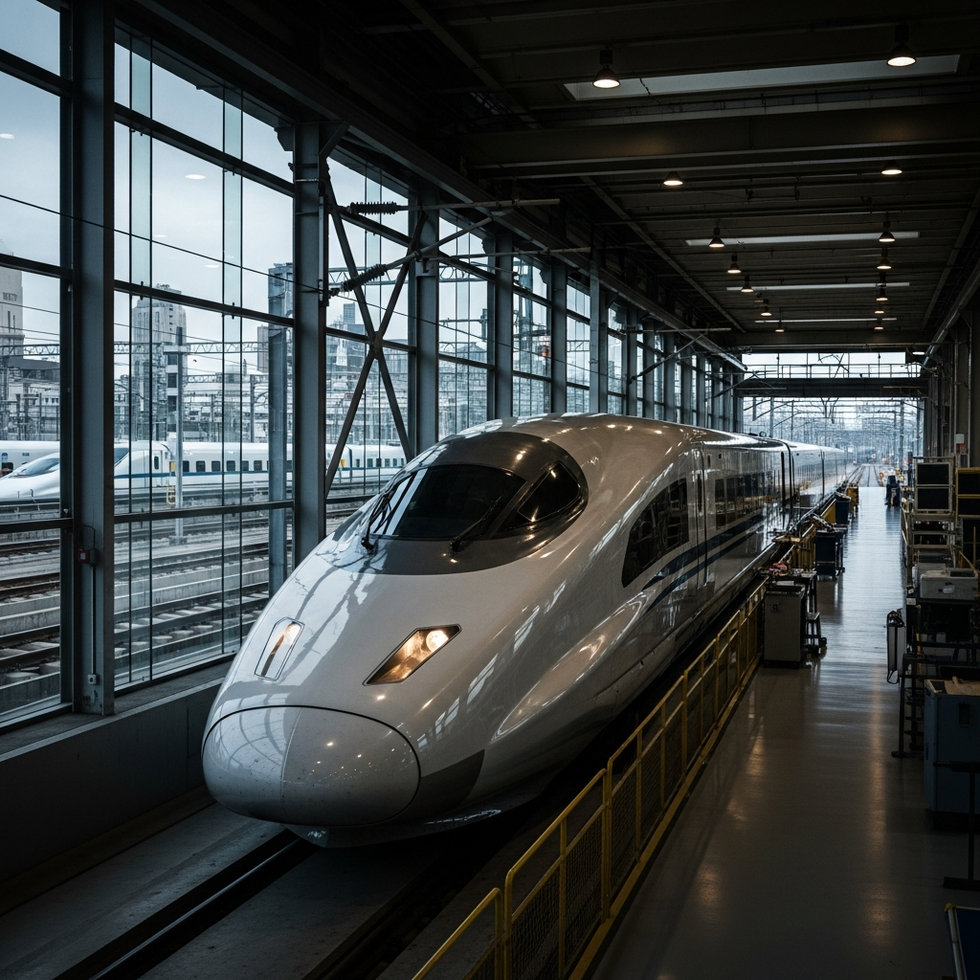
Advancements in Transportation and the Role of Technology
Moving so many people at once? China relies on something big - its modern transportation system. Millions travel long distances quickly thanks to extensive high-speed rail connections, helping officials keep movement calm and secure when demand rises. Nowhere is the shift more visible than in how tech improvements and longer route networks take center stage this year. Over thirty thousand high-speed trains are set to run through the holidays, drawing constant eyes across the rail landscape. Moving fast across a country not happens by chance it takes roads rails airports plus smart systems working together. When options grow people start choosing cleaner ways to travel less depending on buses planes. Digital tools such as Flight Master and Qunar changed how tickets are bought sold updated planned. Early booking now feels less stressful because more travelers head out at once prices shift. How China handles this pressure shows what happens when tech meets large numbers during peak seasons.