Discovering the Most Inviting Destinations for Solo Travelers in 2026
Why 2026 Is the Perfect Year for Solo Travel Enthusiasts to Explore New Destinations
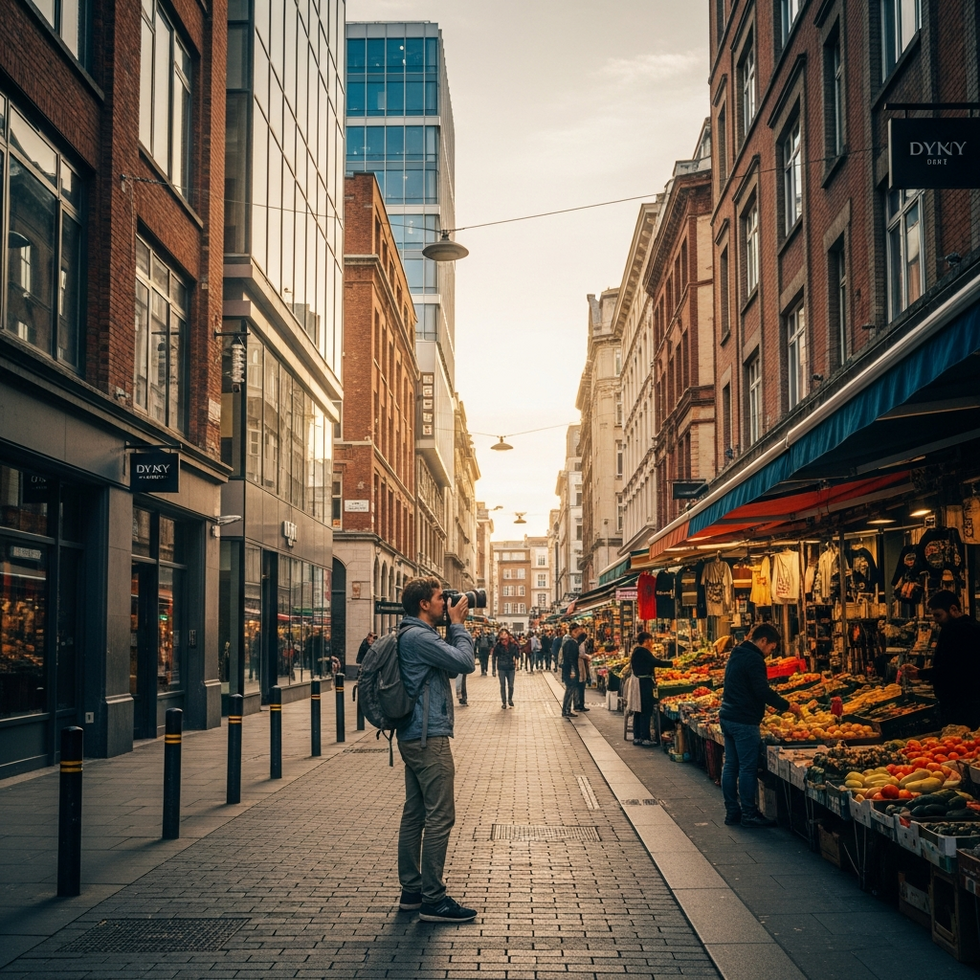
Fresh from last year’s turmoil, 2026 opens quietly for those traveling alone. Not just another season, it’s shaped by safer paths and bolder independent spirits. Where once uncertainty ruled, now towns bend slightly toward wanderers. Experiences feel less staged, more real - locals meeting curiosity head-on. Safety isn’t forced; it simply happens. Access widens without fanfare. Moments matter more when shared personally. Travel alone in 2026 might look different - city streets, quiet forests, old walls - all seen with fresh eyes. Thanks to smart tools and helpful networks, moving through unfamiliar places feels easier than before. People who work remotely while wandering from place to place now have more options than ever. When curiosity strikes, websites filled with real stories plus practical advice offer steady guidance. What once relied heavily on chance can now be shaped by careful planning. What's changing now is how people choose journeys that fit who they are, slowly shaping a world where exploring alone feels normal. In 2026, taking solo trips isn’t rare - it’s part of a larger move toward deeper connections with others and places.
Top Destinations That Cater to the Unique Needs of Solo Adventurers
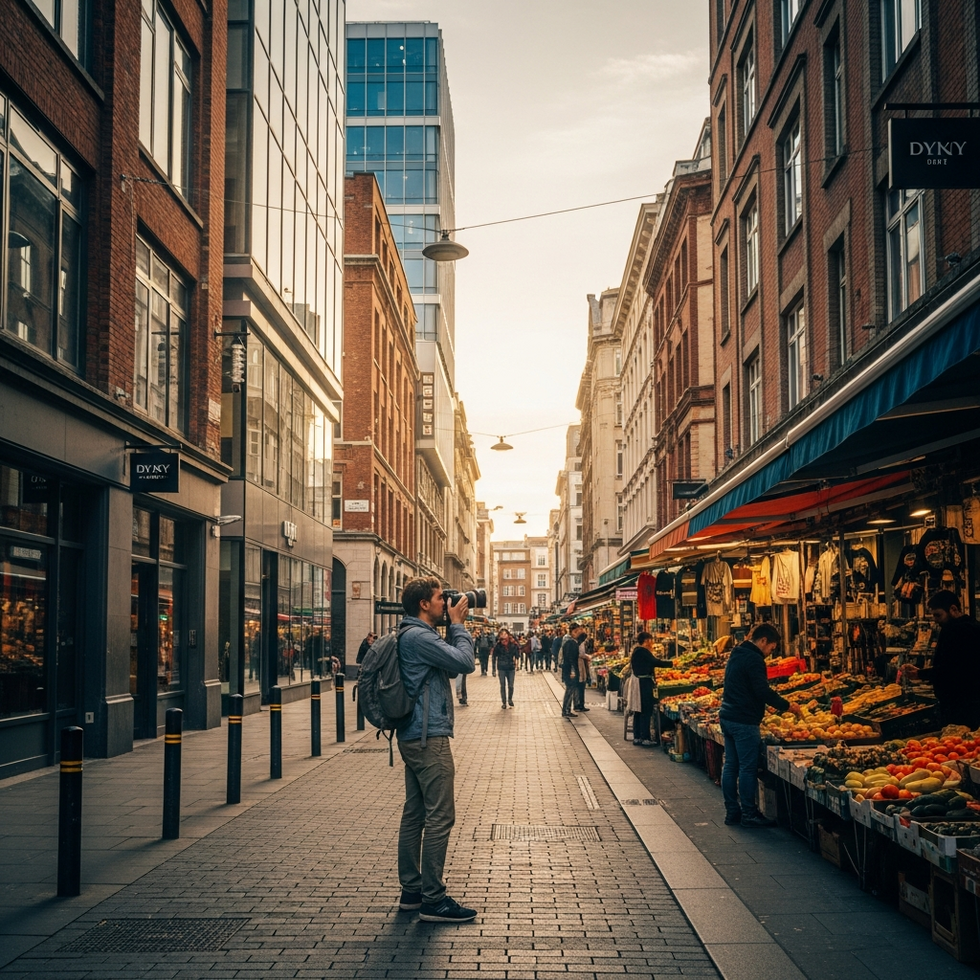
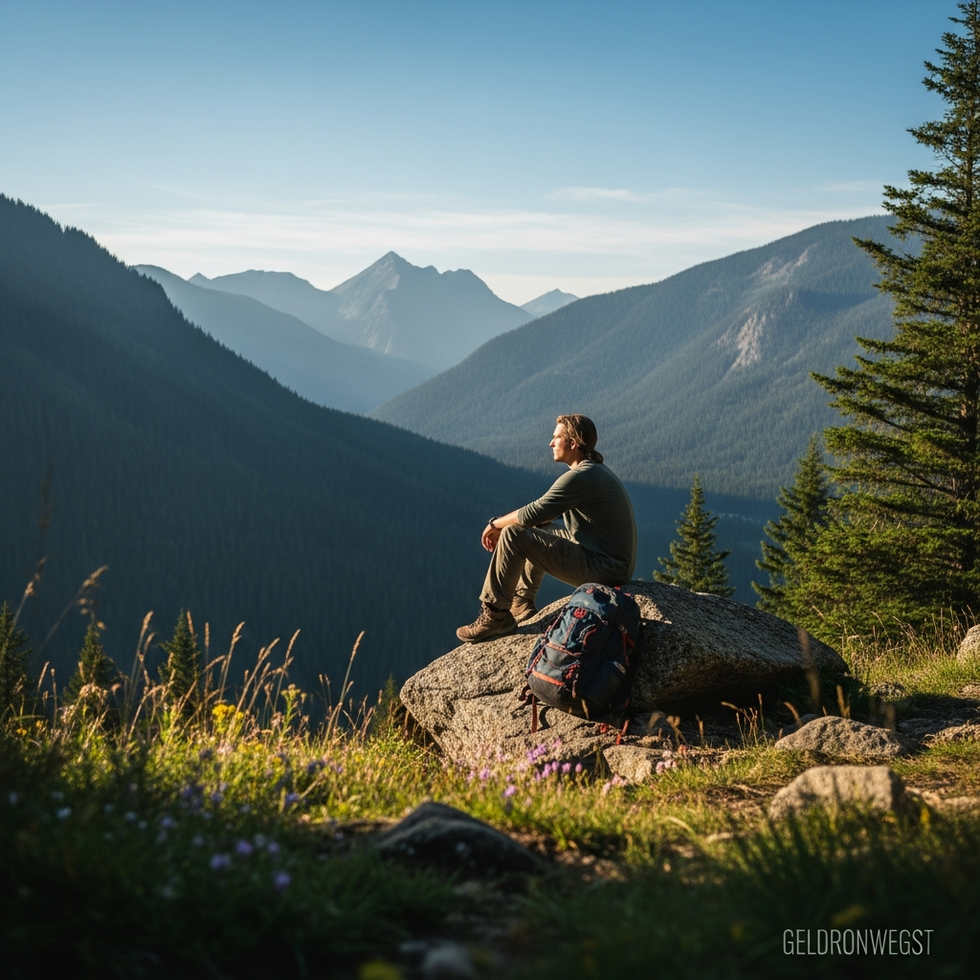
Picking where to go matters most when traveling alone - staying safe matters, getting around easily does too, plus connecting with real local life. Places like Kyoto win hearts through quiet temples and kind people who invite curiosity without pressure. Then there's Portugal - not just busy Lisbon but calm seaside spots too, all packed into one journey if you want variety that way. Out here among hikers and climbers, spots like New Zealand offer wide open land - perfect for long trails on your own, jumping off cliffs, or just sitting quiet among dramatic views. It's true that popular spots now design things so solo visitors feel safe: think guided walks, secure lodgings, even gatherings where people meet by chance while traveling alone. What shows up too is tech-driven help - apps that explain foreign words, alerts if danger looms nearby, digital handbooks that smooth out rough spots when exploring best. Confidence grows when exploring unfamiliar places. Travelers begin to notice small details that reveal how people live nearby. Safety matters, yet freedom to discover matters too. Lasting moments often come from unexpected encounters, not planned tours. Protection exists in quiet ways - like knowing help is near if needed. New cultures feel easier to accept when curiosity leads.
The Role of Technology in Enhancing Solo Travel Experiences
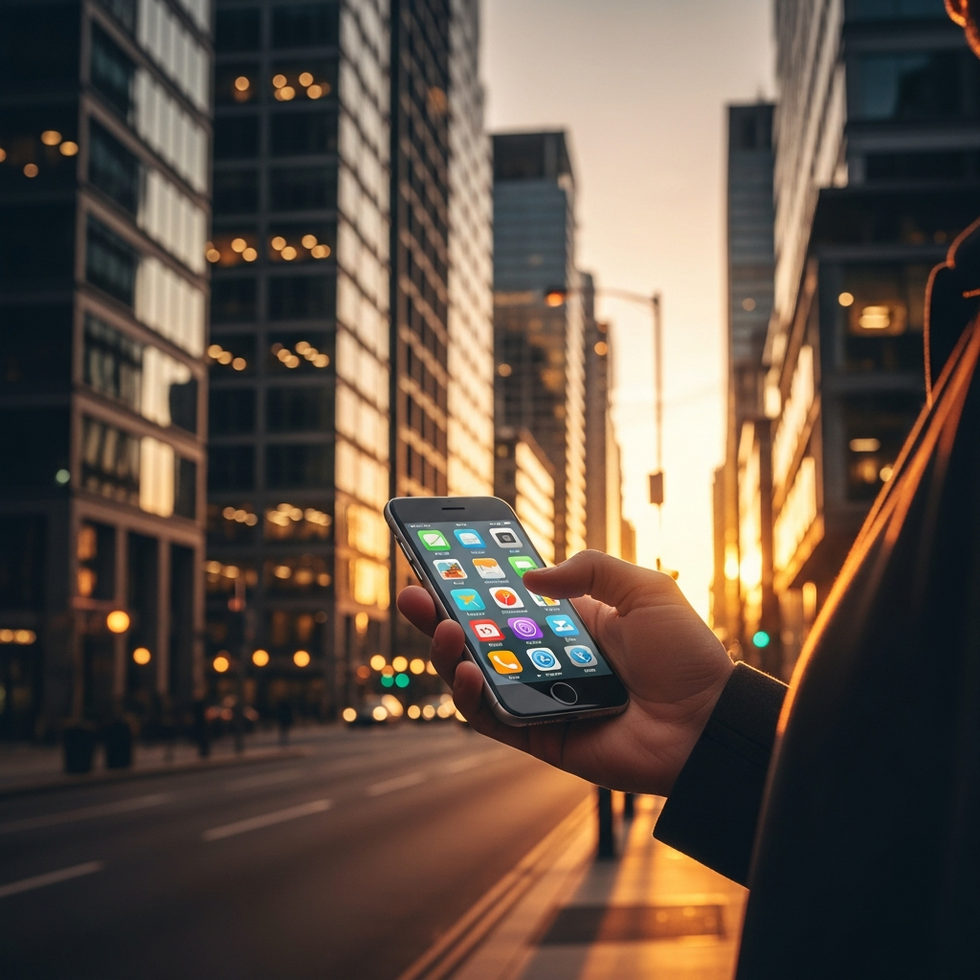
When tech moves forward, so does the way solo travelers organize vacations. Apps like TripIt keep trip details neat and clear through phones. Instead of guessing, users get alert signals from safety tools such as B safer when conditions shift unexpectedly. Because these systems track locations closely, staying safe feels less like a gamble. What happens on trips now reaches people across borders almost instantly via shared posts online. Groups form without needing planned meetings simply by reacting to posts from others nearby. Looking at places online now happens through virtual or augmented reality tools - letting people walk around futures destinations without leaving home. Because wireless internet and small batteries that charge devices have gotten simpler to find, staying in touch while traveling gets easier. These upgrades help reduce worries such as staying safe or speaking the local tongue correctly. At the same time, trips feel more alive, deeper, and tailored to each person moving through them. Coming years might see travel safety improve when artificial intelligence teams up with body-scanning tech, making journeys easier for those going alone. This shift could open doors so people follow what drives them without hitting roadblocks. Ease of exploration may grow right alongside confidence and peace of mind.
Concluding Insights on the Future of Solo Travel and What Travelers Should Keep in Mind
Folks venturing solo seem set for better days, thanks to smarter tech, tougher safety steps, and more like-minded wanderers finding their way. Still, moving through new places by yourself needs some thought - know the rules, respect where you are, stay alert when everything feels different. It makes sense to lock in solid travel insurance, carry key personal helpers nearby, watch your steps in places that seem strange. Exploring new places feels different when you build relationships around festivals, walking groups, or digital chats. Travelers going solo often pick hotels that minimize waste while helping neighborhood shops - small actions shape how destinations evolve. Hearing firsthand notes on sites such as TripAdvisor or Lonely Planet gives future visitors sharper ideas about hidden spots. These exchanges quietly grow networks of people guiding one another across cities and continents. Far from being only about landmarks, traveling alone in 2026 digs into deeper things - like how people connect, learn new ways of living, then carry those moments forward. Since borders have relaxed, places now shape services around self-reliant visitors, hinting at fresh chances for anyone ready to wander on their own.