Travel Nightmares Highlight the Challenges of Self-Service Culture in Customer Service
Rising Travel Disruptions and Customer Service Challenges
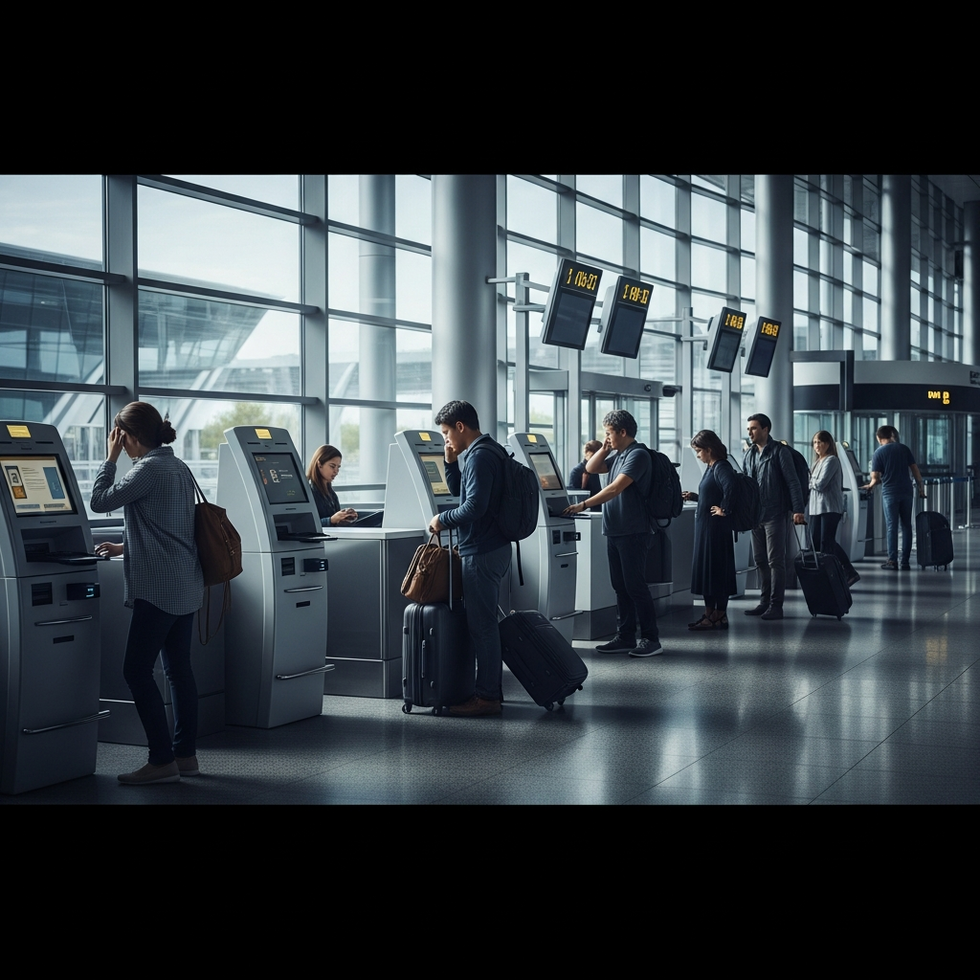
Lately, stories from passengers and feedback forms show a clear rise in trip problems tied to how much of the process gets handled by machines. These days, flying or taking trains means many interactions once done by people now happen online or at touchscreens. Though new tech promises speed and lower expenses, real challenges pop up when something goes wrong outside a script. Helping someone uniquely can become harder, not easier, when help itself is automated. Frustration shows up most clearly during busy travel times when the system's flaws are harder to ignore, leaving people stuck or unsure. Some experts say these moments highlight how much tech and personal service need to work together - particularly when things get tangled or tense. Carriers such as American and Delta have drawn close attention for how they managed passenger issues lately, sparking doubts about whether their help systems go far enough and if travelers felt cared for overall. These days travelers speak up more online, telling of delayed trips, broken machine responses, plus service teams missing from airport halls - a sign old-style help methods no longer work.
Impact of Self-Service Culture on Traveler Satisfaction
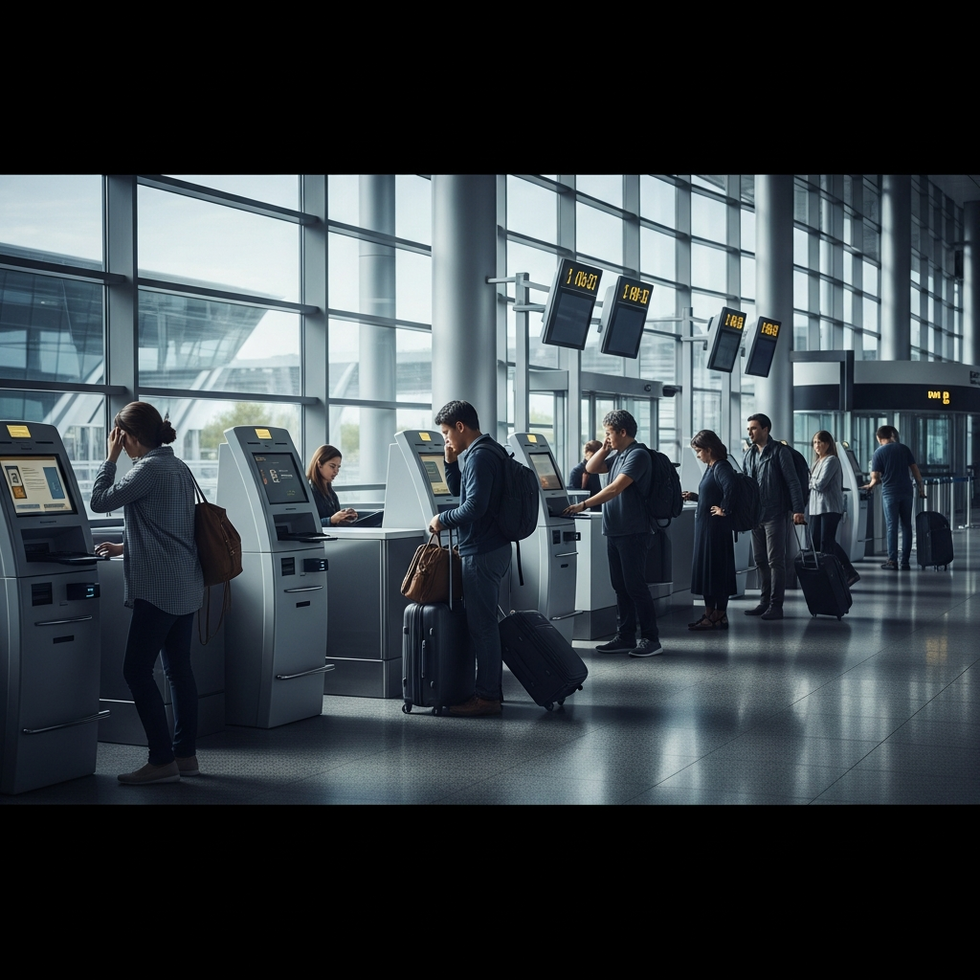
Change in how travel is booked ties into larger tech upgrades meant to cut down on daily workloads. Still, that push ended up lowering how happy travelers feel. Navigating today's tangled online systems can feel confusing, particularly if you’re used to simpler tools or aren’t tech-savvy. Older users often struggle more, lost in menus that assume constant digital comfort. Even though self-service tools are seen as handy, they usually cannot adapt when things go wrong - like a flight getting canceled, bad weather slowing travel, or lost luggage. That gap between what's promised and what happens shapes how people feel during their trips, making things harder and less enjoyable. When automated systems fail, many travelers start preferring real people, particularly at times when care and personal attention matter most. So it goes, plenty of companies once trusted only machines but lately started seeing how important skilled people are - especially when kindness matters most online.
Strategies for Improving Customer Support in a Digital World
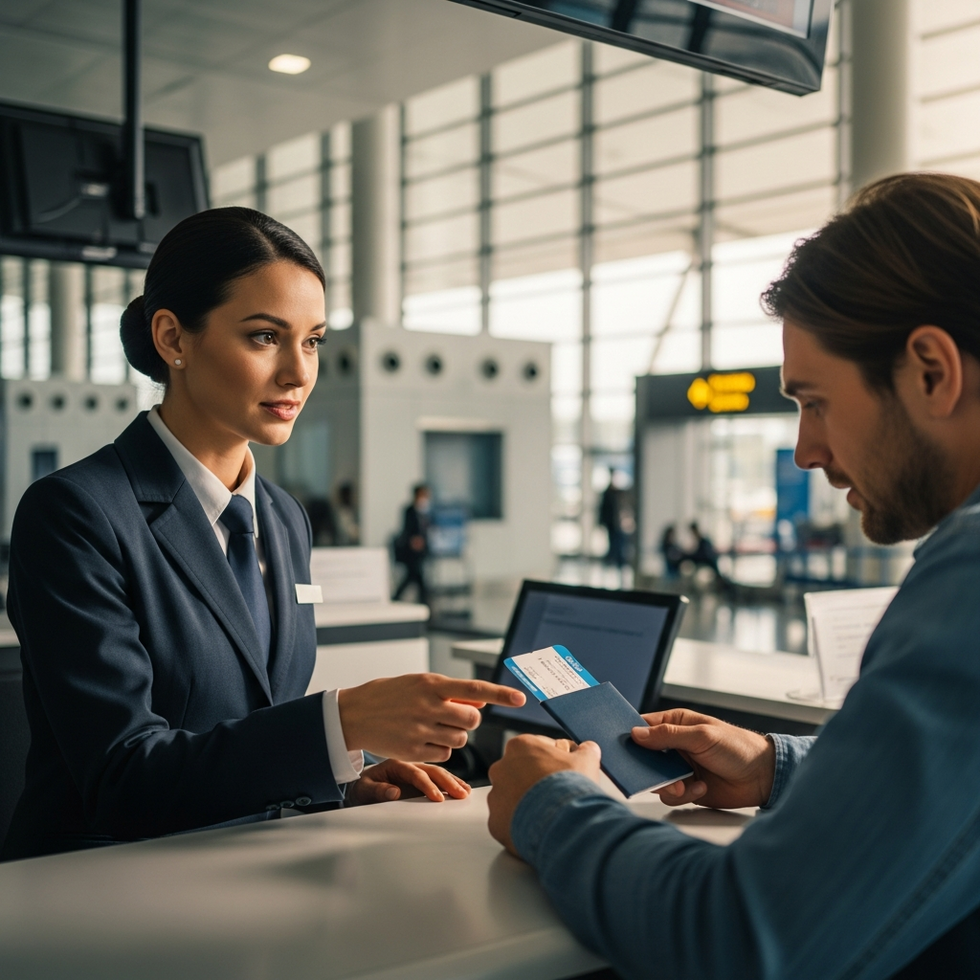
Facing these issues, some travel firms now mix smart machines with real people to get better results. Workers who deal with tough questions need sharper skills - so better learning sessions keep happening. Instead of choosing between tech and empathy, businesses look at newer AI tools that grasp subtle customer wants more clearly. Clear ways to get in touch matter - think special phone numbers, instant messaging, or help in many languages. Travelers often find relief through mobile tools that send live updates during delays. When people feel heard, problems seem less overwhelming. Technology works better when someone is nearby to listen. A shift happens not by adding more machines but by valuing each person who faces chaos. Strong help structures can tackle today’s issues while growing confidence and long-term bonds between travelers and brands, especially online.