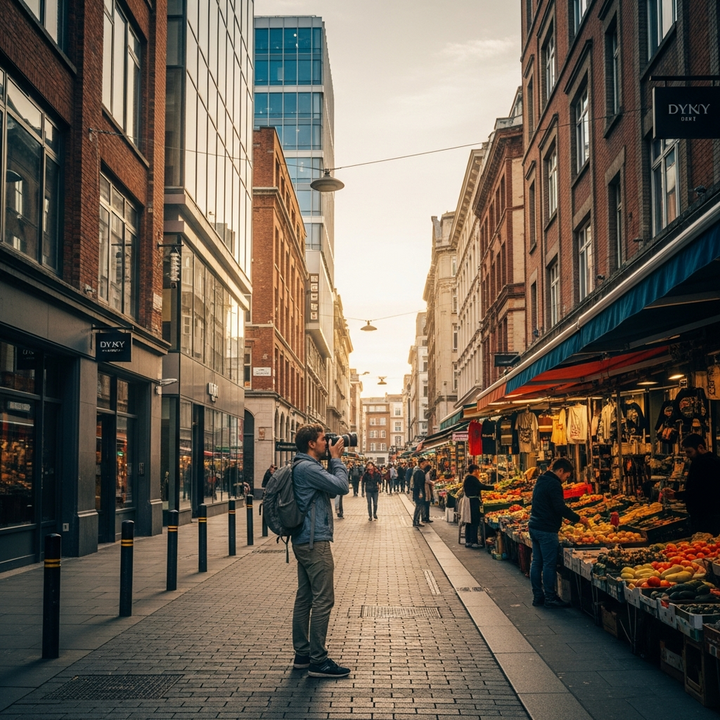
Unearthing History Through Travel Discoveries at Iconic Heritage Sites
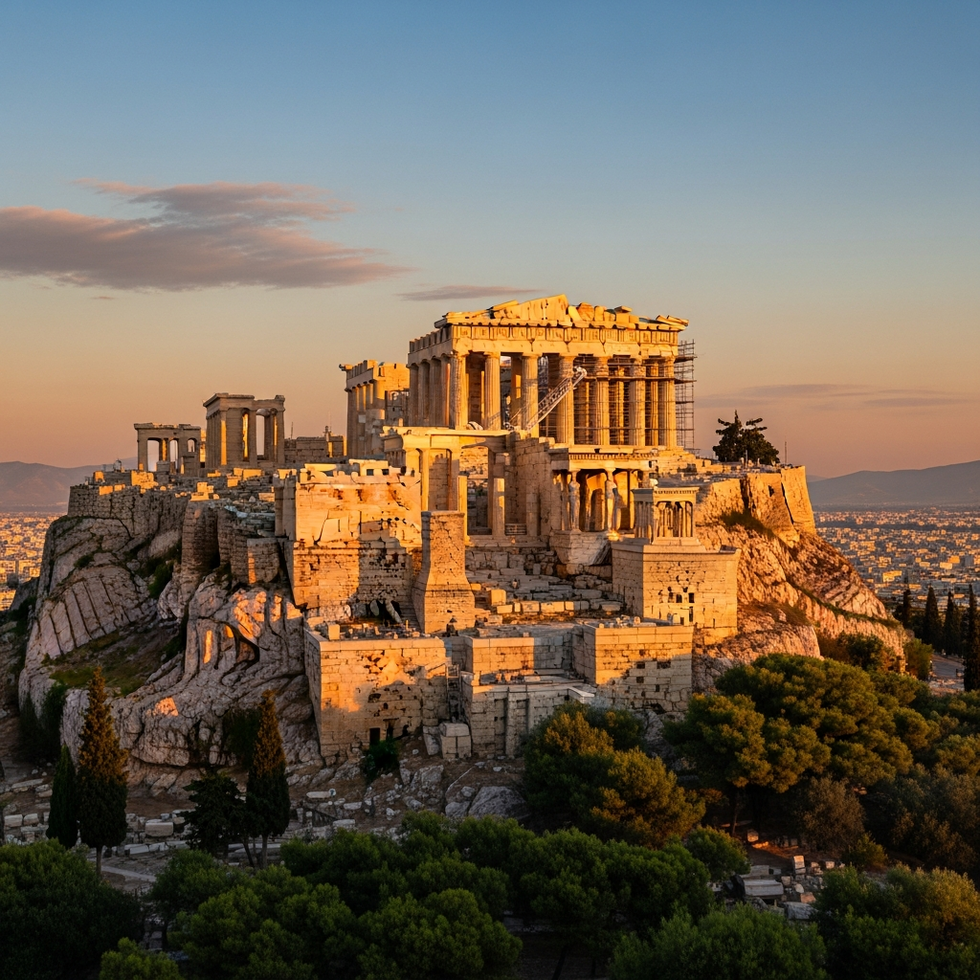
The Importance of Visiting Historical Sites in Enhancing Cultural Understanding
Step into old stone walls, where memories linger longer than photos ever could. Instead of quick snaps, you get silence - thick with stories older than today’s headlines. One castle ruin blends into another, yet each breath pulls you closer to how people once lived together. Not through guidebooks, but through worn doorsteps and fading murals telling tales long since whispered. Walls built by hands unknown still hold them up, century after century. What looks like history at first glance turns out to be proof of lives lived differently - and strangely familiar. Walking by the side of the Colosseum in Rome, or standing close to Angkor Wat’s detailed stone work, people often see things they wouldn’t learn from books alone - this opens their eyes to clever human designs and varied cultures across time. Moments like these might quietly nurture deeper care for saving old sites, pushing visitors not just to visit but to help guard these one-of-a-kind pieces for those who come after.
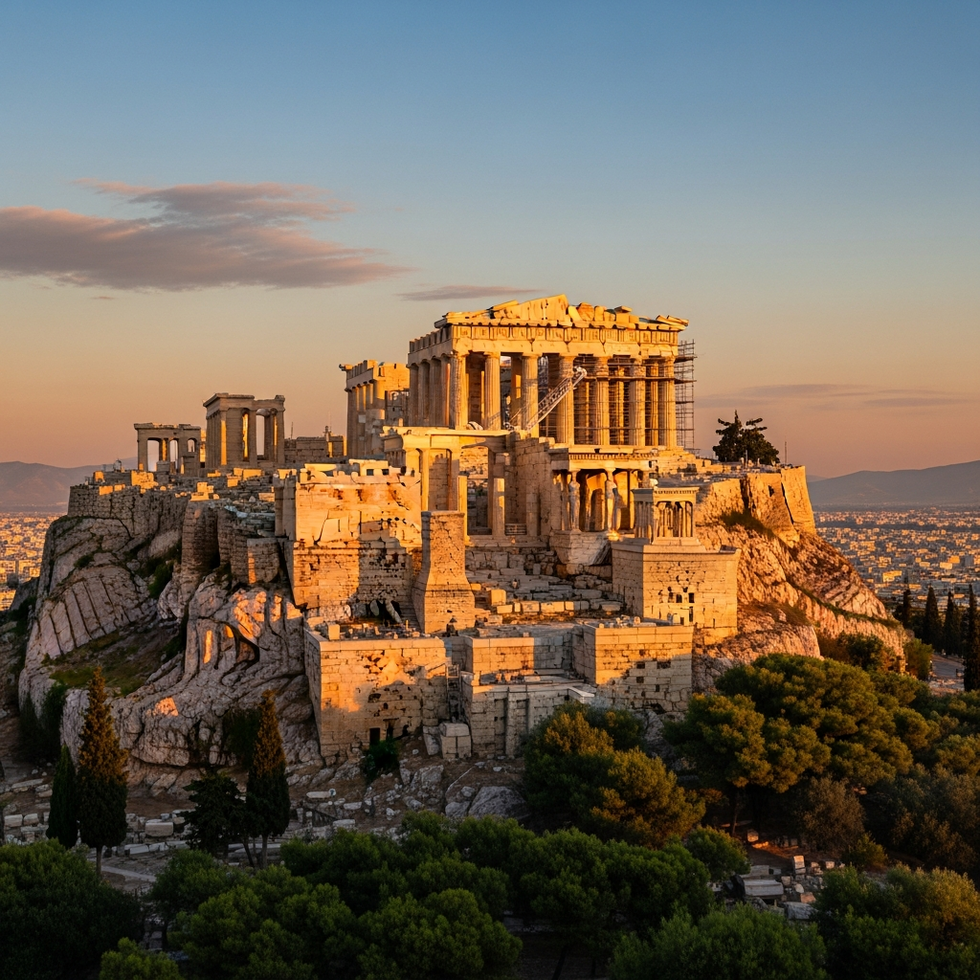
Must-Visit Historical Sites That Define Global Heritage
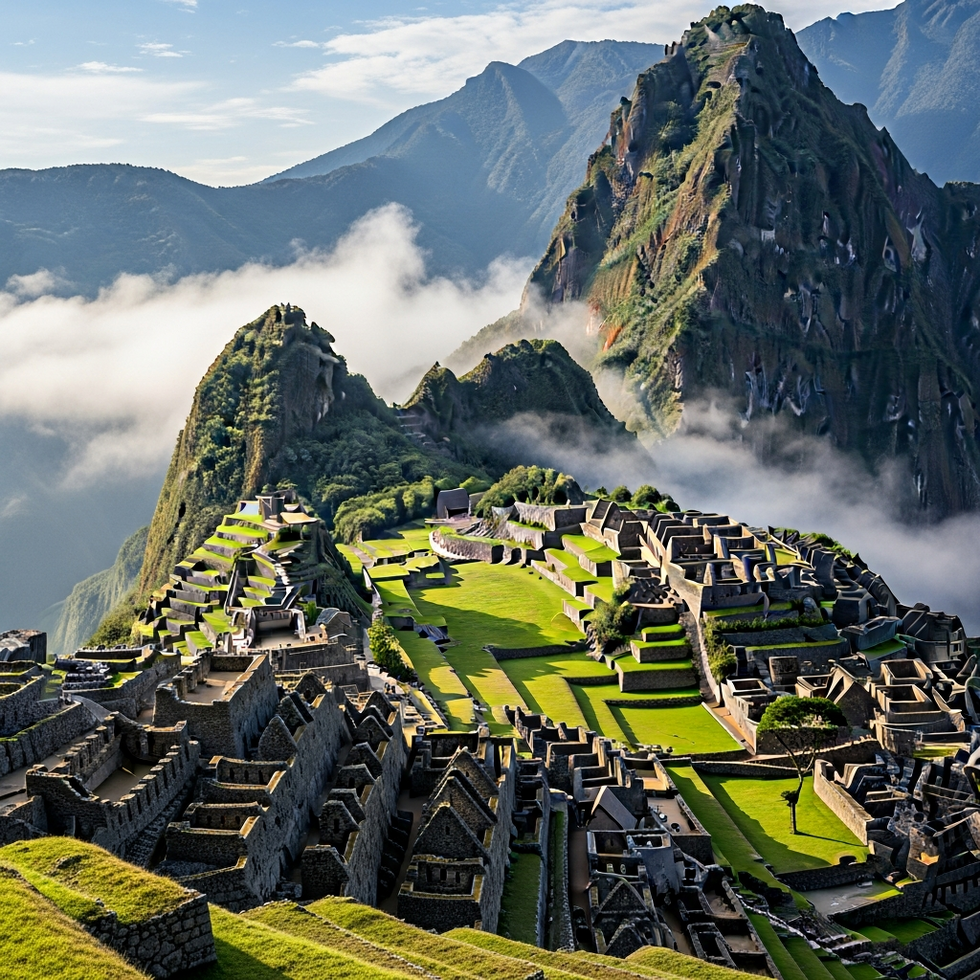
History hides in countless old places around the world, showing what people once built and lived through. Some names stick - like the Great Wall of China, Petra carved into desert stone, Machu Picchu sitting high above Peruvian jungles, or the Pyramids standing tall near Cairo. These spots speak without words, telling of empires that grew and vanished long ago. From ancient roads to temple designs, clues pop up about how they built life, worshipped, and ruled. Walking through these places gives people a real look at history, up close. Instead of just pictures, they see how people lived long ago, shaped by time and culture. Take Pompeii, for example - walking among ancient homes tells a quiet story of daily life stopped mid-moment by ash and fire. Each structure holds clues, not facts stacked neatly in books but moments preserved when the world paused. These buildings stand not only as landmarks but as keys to understanding where societies came from, how they changed, why some last while others fade.
Effective Tips for Planning Your Visit to Historical Sites
Starting out, looking into what a place actually means - like when and how people got there - helps shape your time there. Check opening times, because showing up late might mean missing key parts. Some spots, say ancient ruins or famous monuments, need careful steps to stay safe and last longer. For places famous worldwide, like old temples or hidden trails, rules exist for protecting them. Knowing limits ahead makes walking through history feel less rushed. Another reason? Visiting during less busy times like shoulder season means fewer people, space to think. Local guides know what others might miss - history, building designs, cultural roots. They turn ordinary walks through ruins into something richer. Comfortable shoes matter more than expected when walking long stretches under strong sun. A camera helps store memories that later bring quiet smiles. Starting with a quiet moment at an old church door might be enough to feel how past centuries hummed. Planning trips with curiosity instead of checklists changes how people experience places. Moments like sharing bread with locals inside ruined castles walls shift something inside. Memories form not from cameras but from walking paths where empires once marched.