HowBudgetTravelDestinationsAreReshaping the Future of Family Holidays in the Middle East

The Rise of Budget-Friendly Family Destinations in the Middle East
Imagine a scene where a family gathers around a picnic blanket on a sprawling, sunlit plain, shaded by the gentle arches of an ancient tree. This isn’t the backdrop for a luxury resort or high-end city retreat but a modest, accessible natural landscape that speaks to the shifting paradigm of travel affordability. What’s most surprising about this scene is that these affordable pockets are emerging as the true horizon of modern family travel, particularly across the Middle East and North Africa (MENA). Recently, many families have started questioning whether they need to pay hefty prices to enjoy rich cultural sites, natural beauty, and safety. The answer, increasingly, is no. Destinations like Salalah in Oman or Nizwa are demonstrating that budget-conscious travel can include lush green mountains, historic forts, and vibrant markets—all accessible without draining savings.

Why Under-the-Radar Destinations Are the New Powerhouses
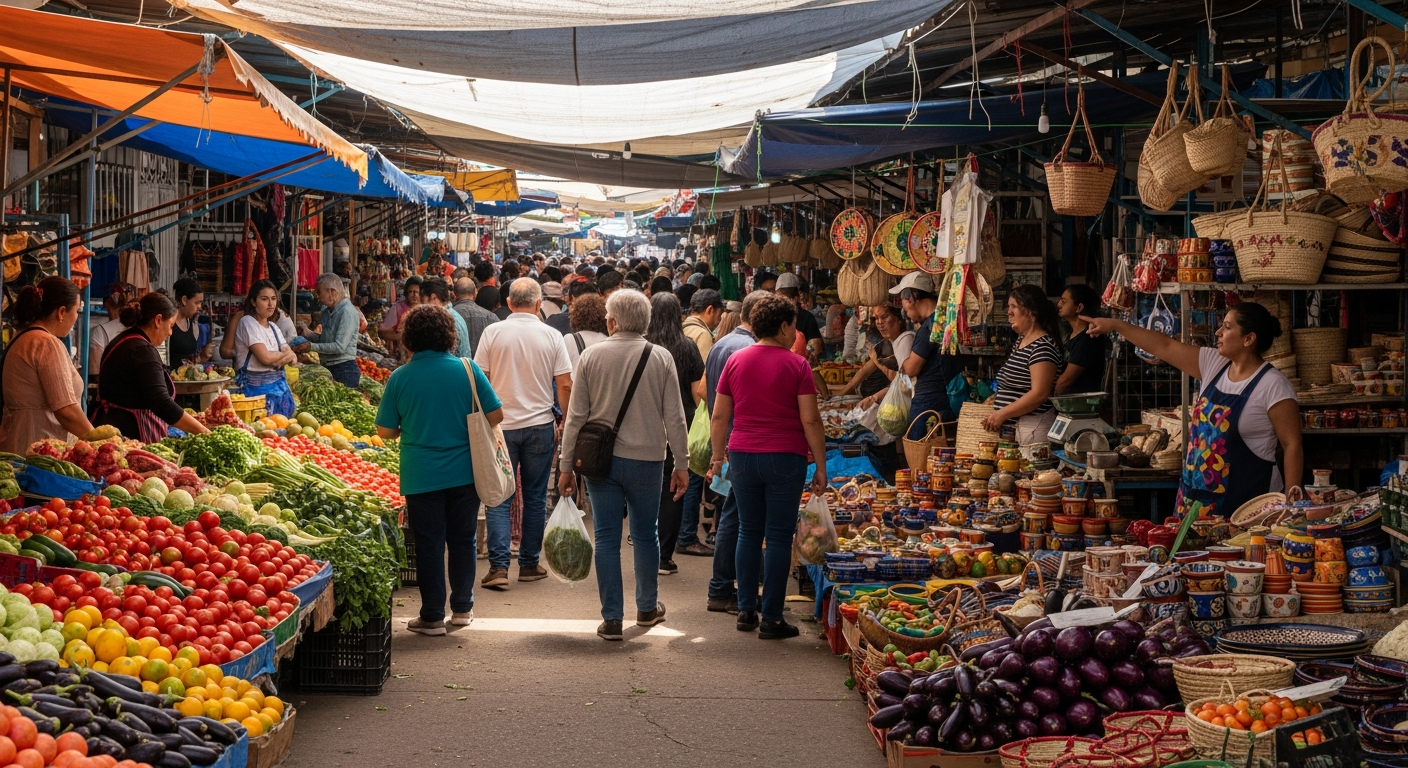
The most underreported aspect of this trend is its socio-economic implication. While the travel industry has historically equated high costs with luxury, the surge of budget options in lesser-known cities like Madaba or Al Ain indicates a fundamental shift. These places strip away the pretenses of exclusivity that once dominated the industry and instead focus on accessible authenticity. What this transformation signals is profound: families from diverse economic backgrounds now have genuine access to cultural and natural riches that were once reserved for the privileged few. Moreover, with regional low-cost airlines expanding routes and offering irresistibly affordable fares, destinations that were once difficult to reach or considered too expensive are transforming the entire travel landscape.
The Contrarian View: Is Cost-Effective Travel Truly the Future?
Yet, skepticism remains about whether this shift toward budget-friendly travel can sustain quality and safety standards. Critics argue that as destinations strive to attract more budget-conscious travelers, they might cut corners on infrastructure, security, or authentic experiences. They warn that the romantic myth of 'affordable exoticism' could lead to overcrowding and environmental degradation if not managed carefully. Still, the momentum behind this trend persists because it shifts the perceived value of travel from material luxury to experiential richness. In essence, more families are beginning to view travel less as a luxury and more as an attainable, meaningful journey. This democratization of travel could reshape regional economies, encouraging sustainable development that benefits local communities more equally than the traditional tourism model.
Who Gains and Who Loses in This New Travel Landscape
The political and economic repercussions of this trend are profound. Traditional tourism giants like Dubai and Cairo may find their dominance challenged as travelers discover affordable, yet culturally rich alternatives. Locally, small cities and towns are set to experience a renaissance, attracting investment and public interest in sustainable growth. Conversely, high-end resorts that depend heavily on luxury branding might see a decline in patronage, forcing re-evaluations of their value proposition. Globally, this could create a more balanced tourism ecosystem, spreading benefits more evenly across the region and reducing environmental pressures on over-visited sites. Furthermore, as this trend gains traction, international organizations and local policymakers might prioritize tourism policies aimed at inclusive growth, leaving behind stratified, expensive tourism models.
The Real Potential Behind This Travel Shift
The true potential of this trend lies in its ability to forge authentic connections between travelers and local communities, which high-end, curated travel often neglects. As families embrace these lesser-known destinations, they participate more actively in local traditions, cuisine, and everyday life—fostering mutual respect and understanding. This shift challenges the industry to evolve beyond superficial aesthetic experiences into deeper cultural exchanges that benefit both visitors and residents. It also opens doors to sustainable development because authentic, community-centered tourism tends to be less invasive and more environmentally friendly. If regional governments and tourism operators harness this momentum, they could lead a paradigm shift towards travel that is not only affordable but also more equitable and impactful in the long run.