Turkey's Mediterranean Coast Faces a Hidden Transition That Will Redefine Travel Privacy and Luxury
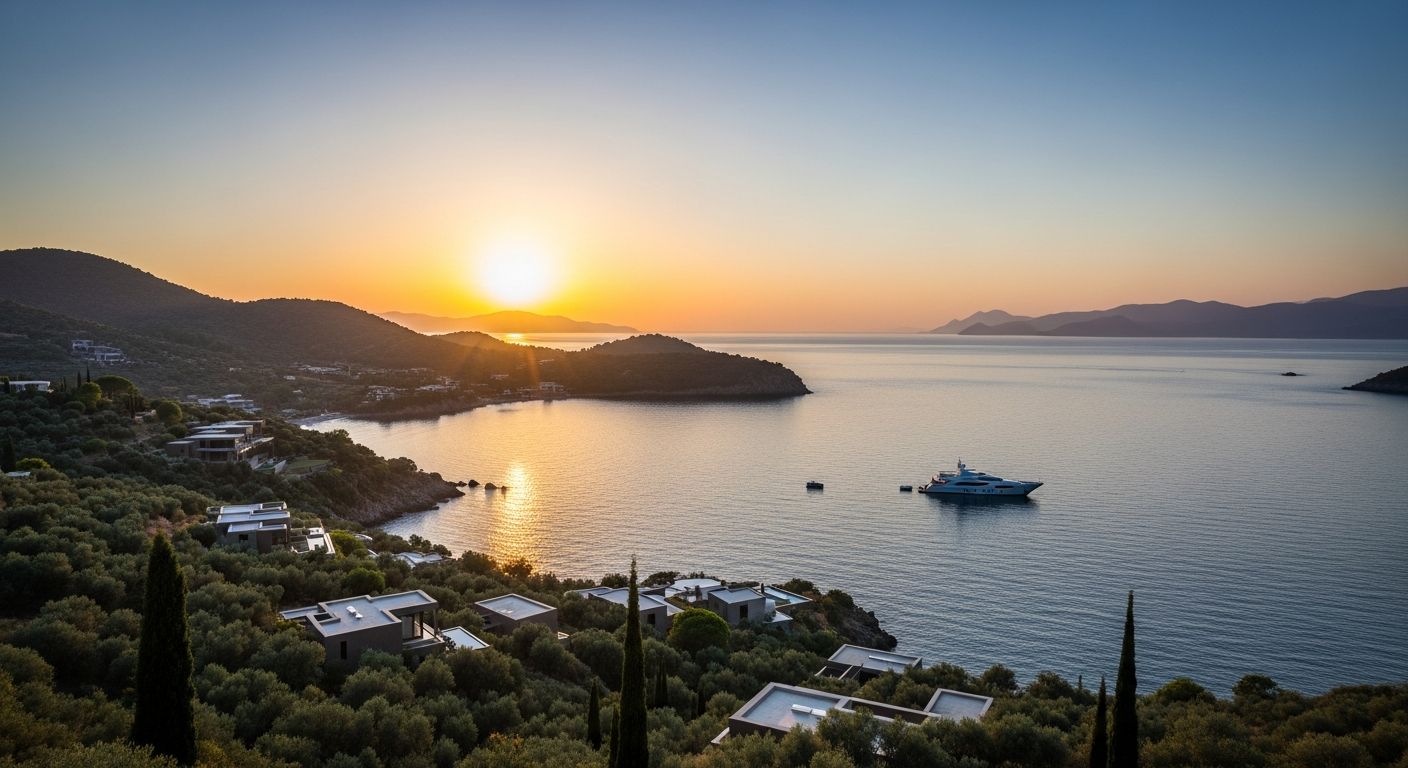
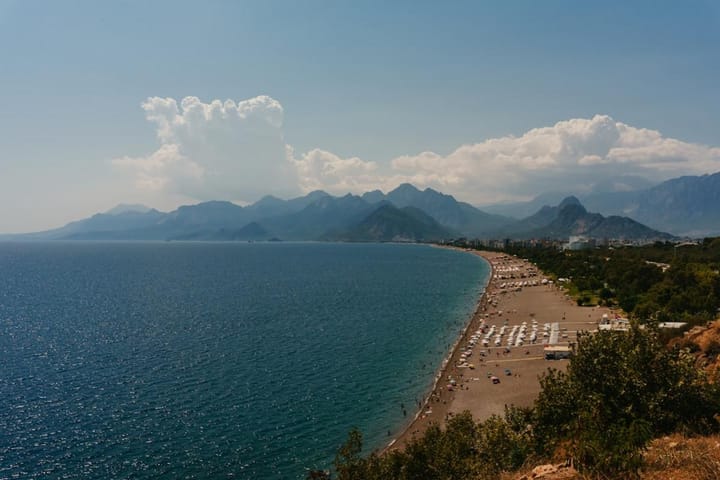
Imagine standing on a sun-drenched balcony overlooking a shimmering bay, where the crystal-clear waters gently kiss pristine beaches. For years, Turkey's Mediterranean coast has been synonymous with an inviting blend of vibrant culture, historical riches, and striking natural beauty, attracting millions eager to indulge in relaxation and adventure alike. Yet, beneath the surface of its celebrated tourism boom, a subtle but significant transformation is taking place—one that could redefine what it means to experience this iconic region with a sense of privacy and genuine connectivity. This shift is largely driven by a new wave of eco-conscious resorts, boutique hotels emphasizing exclusivity, and sophisticated tourist management systems designed to limit overcrowding while preserving the region’s authentic charm once thought to be dwindling amid mass tourism. But the critical question remains: Will these changes actually preserve the region’s soul without turning it into a mere playground for the ultra-rich? This question is more urgent than ever in 2026, as Turkey’s Mediterranean destinations grapple with balancing their ancient allure with the realities of modern travel demands.
The Rise of Selective Tourism and Its Unintended Consequences
In recent years, the region has seen an influx of new hotel concepts that prioritize guest privacy and environmental sustainability. These include luxury villas with private pools tucked away in untouched coves, and eco-resorts that limit the number of visitors to protect fragile ecosystems and cultural sites. While these developments seem beneficial, they could unintentionally create a two-tier travel scene, where access to the most coveted spots becomes increasingly exclusive and less democratic. This phenomenon reflects a broader global trend where the most significant gains in tourist experience are reserved for those willing to pay a premium for solitude and personalized service—potentially alienating middle-income travelers and altering the region's traditional welcoming spirit. The local community and long-time visitors may find themselves increasingly edged out of iconic sights, which, paradoxically, may lead to tighter government regulations or private covenants that further restrict access, turning these once-open landscapes into private enclaves. Such a dynamic could stifle the spontaneous, communal atmosphere that has historically defined Turkey's coastal towns and may pave the way for a more segmented but less authentic travel experience.
Behind the Scenes of Turkey's Tourism Infrastructure Push
This quiet revolution is powered by investments in smarter tourist management and infrastructure aimed at reducing environmental impact and enhancing visitor experience. New regulations are encouraging boutique developments that incorporate local culture and minimal footprints, while governments and private investors are collaborating on sophisticated reservation systems that limit daily visitor numbers at key sites, such as archaeological ruins and nature reserves. This strategic approach, often overlooked by mainstream media, reflects a shift from overt overtourism to what some experts call ‘controlled normalization’—a system where the region’s authenticity is preserved by careful regulation and modern logistics. Hotels and tour operators are now experimenting with time-sharing models, multilingual booking platforms, and mobile apps that monitor crowd density in real time, offering travelers the chance to visit without the chaos of peak season. The deeper implication is that Turkey might be subtly redefining itself as an upscale, curated destination rather than a mass-market hub, which could have broad consequences for regional development, local communities, and the future character of its coastal towns.
The Winners and Losers in This Quiet Shift
As with any significant transformation, certain groups stand to benefit while others may be left behind. Luxury travelers seeking privacy and a prestigious experience are arguably the biggest winners, gaining exclusive access to pristine beaches and archaeological sites with minimal intrusion. High-end boutiques and eco-resorts will likely command premium prices, further cementing Turkey’s status as a luxury tourism hotspot. Conversely, local artisans, small-scale hoteliers, and cultural sites dependent on foot traffic could suffer from the restrictions, risking their economic viability or dilution of traditional crafts and community engagement. Moreover, the broader societal impact includes a potential rise in socioeconomic divides, where the most affluent enjoy the region’s beauty while average visitors or residents face increasing barriers, especially if government policies tilt toward privatization and exclusivity. This evolving landscape raises a critical issue: Can Turkey maintain its hospitality heritage while embracing a model that favors an elite minority?
What Does This Mean for the Future of Travel in Turkey
Ultimately, the regional shift toward curated, sustainable, and privatized tourism may signal a new phase for Turkey’s Mediterranean coast—one where authenticity is carefully rationed, and crowd sizes are managed meticulously. For travelers, it could mean that the magic once experienced freely might become more elusive, requiring strategic planning and perhaps higher budgets. But it also presents opportunities for genuine, zero-impact encounters—if travelers are willing to seek out the lesser-known spots, or visit during off-peak times made more accessible by these new systems. The ripple effect could also influence policy, encouraging a model where preservation and luxury coexist, signaling that Turkey understands the value of its cultural and natural wealth as a finite resource. Nevertheless, this evolution underscores a larger theme: the paradox of modern tourism, where the pursuit of uniqueness and privacy often breeds exclusivity, but may threaten the region’s soul if not carefully balanced. As Turkey’s Mediterranean coast stands at this crossroads in 2026, only time will tell whether it can reconcile growth with authenticity, or whether it risks losing its most vital charms altogether.