Walking Through History on Turkey's Mediterranean Coast: Side
History Beneath the Pavement
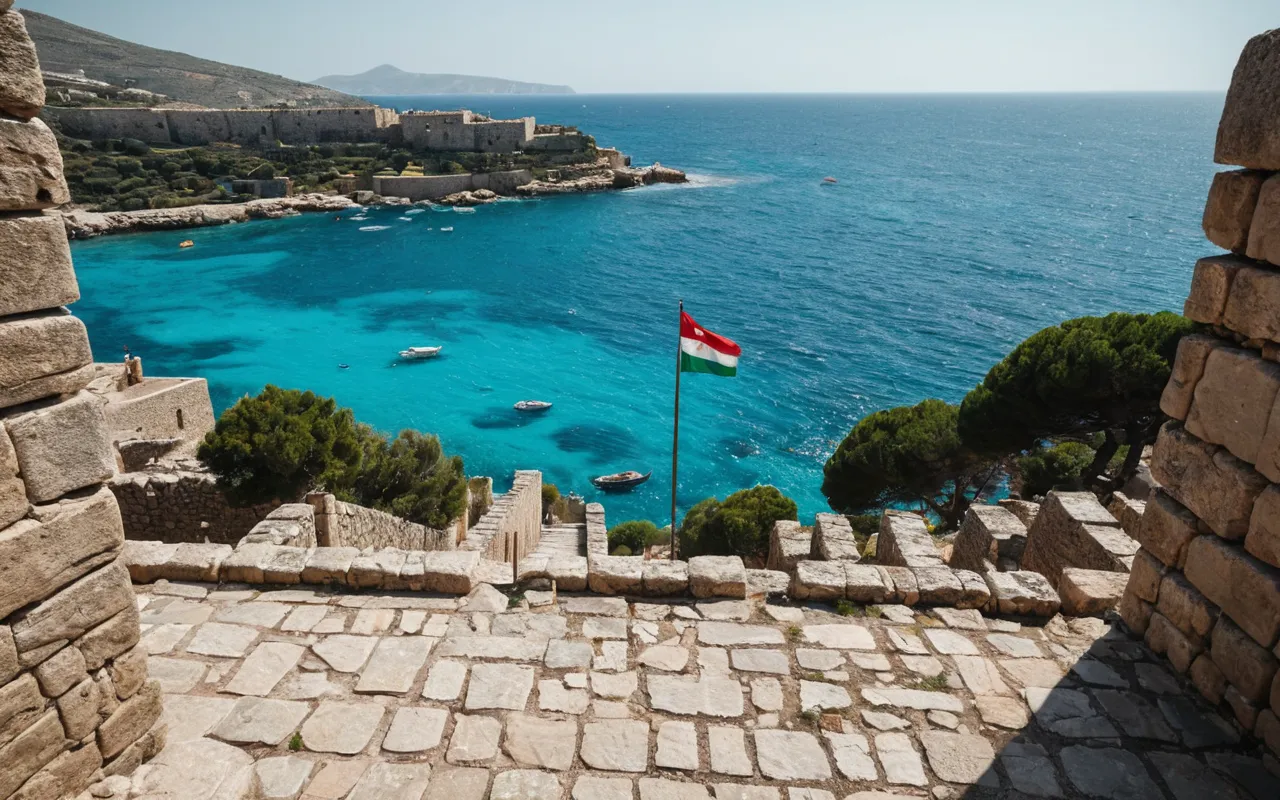
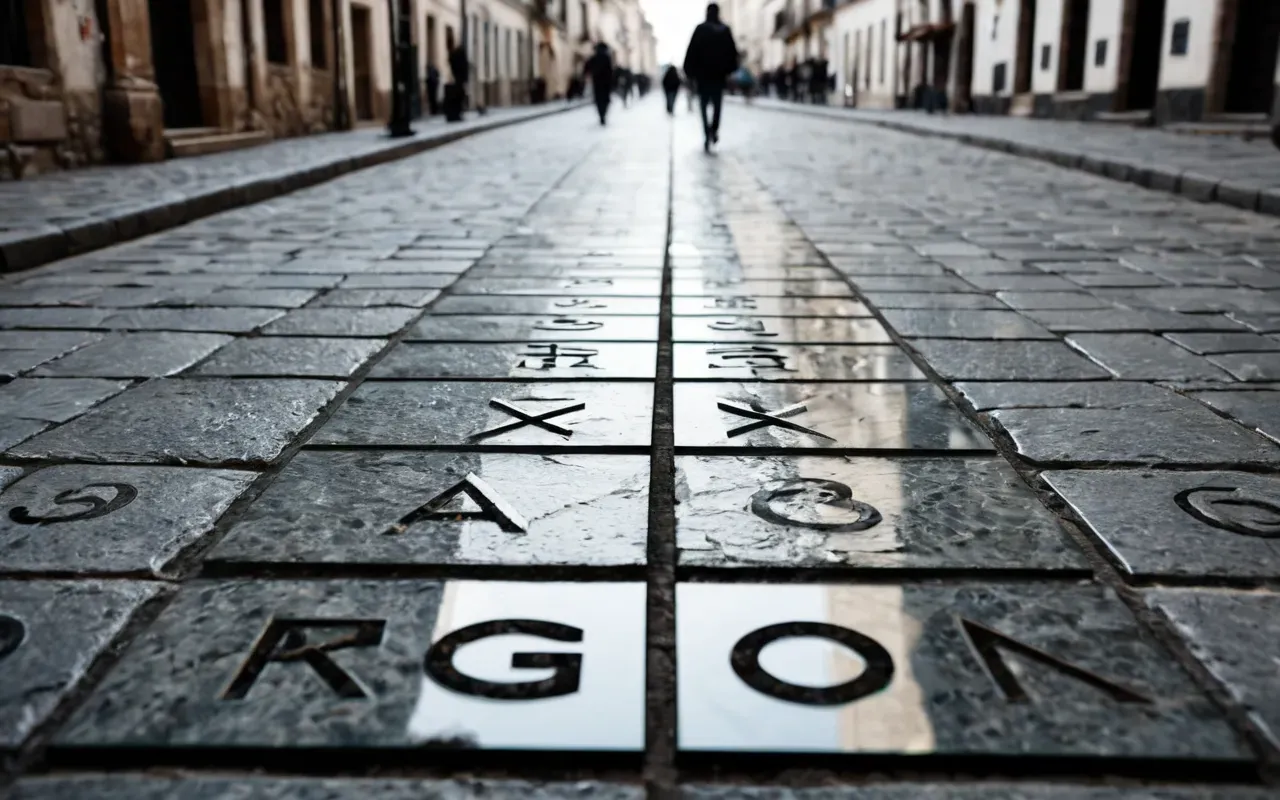
Look down. The ground beneath your feet is not solid stone. It is glass. You are literally walking over the past. This is not a gimmick. It is a profound design choice that changes how we experience ancient cities. Side does not lock its history away in dusty museums. It puts it right under our soles. Every step reveals foundations, walls, and streets from centuries ago. The Roman empire did not just vanish here. It is still holding up the town.
I was struck by this immediately. Most heritage sites feel like open-air museums. You look at barriers. You read plaques. You stay behind the ropes. Side breaks that rule entirely. The glass platforms are scattered through the main streets. You can browse a modern shop, sip a coffee, and glance down at a Hellenistic foundation at the same time. It feels alive. It feels continuous. History is not a separate zone. It is the floor of the present.
The Roman Theatre Still Speaks
The theatre dominates the skyline. It is massive. Built in the second century AD, it once hosted thousands of spectators. You can still see the scale. The semicircular tiers rise steeply against the blue sky. The acoustics remain remarkable. If you clap on stage, the echo carries. It is a physical reminder of Roman engineering. This was the social heart of the city. Plays, debates, and public gatherings filled these seats. The stones have survived earthquakes, wars, and time. They still command attention.
Nearby, the agora and city gates stand just as impressive. The columns are not fully restored. They are left as archaeological evidence. This approach preserves authenticity. You see the layers of history. The Byzantine additions sit beside Roman masonry. The town never truly stopped being used. It just changed function. Today, the ruins are surrounded by cafes and boutiques. The contrast is jarring, but it works. It shows that heritage and commerce can coexist. How Hidden Architectural Secrets of Turkey's Mediterranean Coast Challenge Common Myths About Its Ancient Heritage explores similar preservation dynamics.
Sunset at the Temple of Apollo
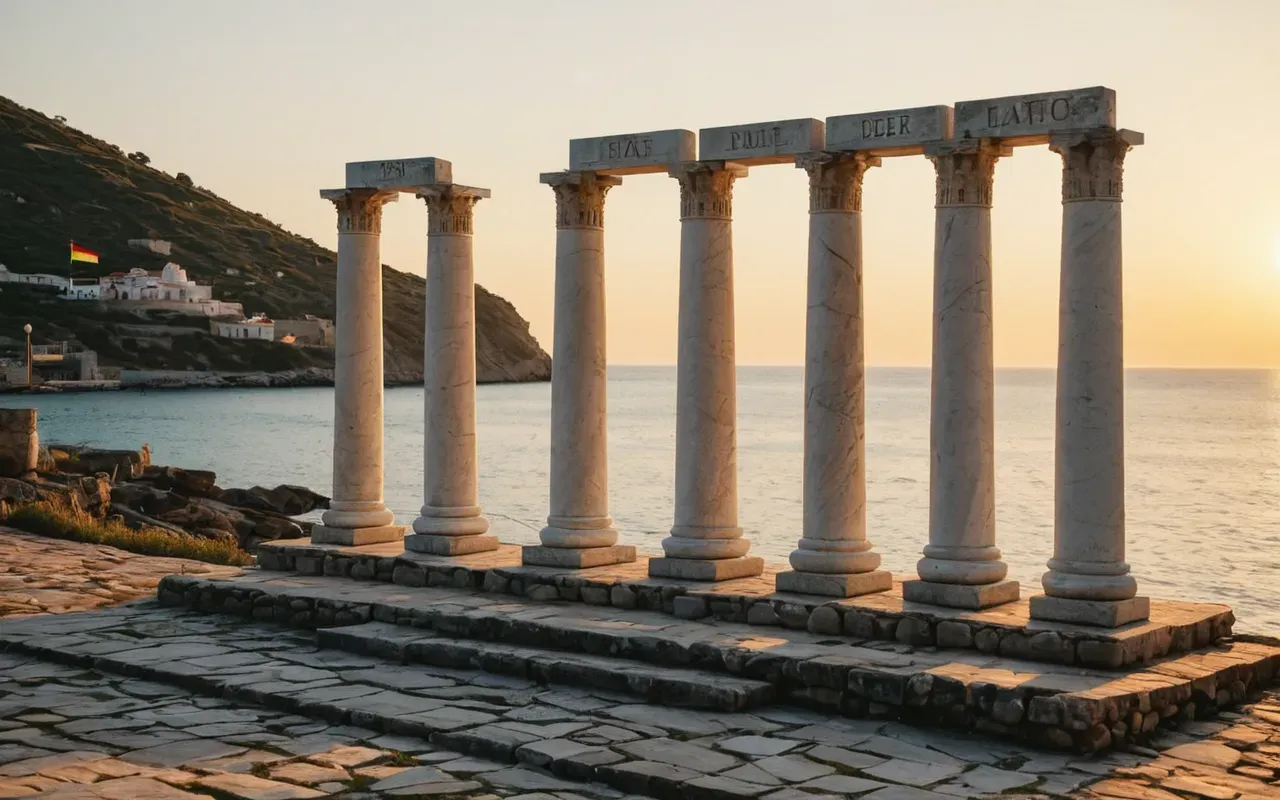
The Temple of Apollo is the postcard image. Six white marble columns stand on a high podium. They frame the sea perfectly. At sunset, the light turns everything gold. The water reflects crimson and orange. Photographers crowd the promenade. It is beautiful. It is also slightly cliché. But you cannot deny the impact. The temple has appeared on Turkish banknotes. It is an official symbol of national heritage. Standing there, you feel the weight of that symbolism. The sea breeze hits your face. The ruins glow. It is a moment you will remember.
The temple dates back to the fourth century BC. It was rebuilt multiple times. The current structure is Roman-era. It was dedicated to Apollo, god of light and prophecy. Locals still respect the site. It is not just a tourist magnet. It is a place of quiet reflection. The promenade around it is wide and clean. You can walk for miles. The palm trees sway. The marina is close by. Boats bob gently in the harbor. The atmosphere is relaxed. It is the perfect end to a day of exploring.
Modern Life Meets Ancient Stone
Side is not a ghost town. It is a living resort. Hotels line the beach. Restaurants serve fresh seafood. The streets are busy with locals and visitors. This integration is what makes Side unique. You do not need to book a guided tour to see the history. It is everywhere. The narrow alleys wind past ancient walls. The modern town grew around the ruins, not instead of them. This creates a seamless experience. You are never far from a historical artifact. The Myth of Authenticity in Turkey's Mediterranean Culture Travel Sometimes Masks the Hidden Layers of History and Modern Life discusses this blend.
The beaches are sandy and wide. The water is clear. You can swim, sunbathe, and relax. Then you walk ten minutes inland and stand in a Roman bath. The juxtaposition is striking. It challenges the idea that heritage sites must be isolated. They can be part of a vibrant community. This approach benefits everyone. Locals keep their daily routines. Visitors get an immersive experience. The town feels authentic, not staged. It is a model for sustainable tourism.
Why This Matters for Travelers
Most destinations separate past and present. Side merges them. This is a rare opportunity. You see how history shapes modern identity. The glass walkways are more than a visual trick. They are a statement. They say the past is foundational. It supports the present. This perspective changes how you travel. You start looking for layers. You appreciate the continuity. Unearthing History Through Travel Discoveries at Iconic Heritage Sites highlights similar immersive experiences.
Side is accessible. It is in the Manavgat district of Antalya. Flights arrive at Antalya Airport. Transfers are easy. The town is well-connected. You can stay for a weekend or a week. There is plenty to do. Explore the ruins. Walk the promenade. Taste the local food. The cuisine is fresh and flavorful. The hospitality is warm. This is the Mediterranean experience. It is rich, layered, and inviting. Do not just visit Side. Walk through it. Feel the history beneath your feet.